Summary
Change the Game Academy Alliance member CASA Gambia gave their first Mobilising Support training in July 2024 and then helped the trained organisations to achieve their first successes through further skills training and coaching. In this very first Mobilising Support example from The Gambia, they describe how this worked in the case of the Mama Africa for Gambia Foundation. The initiative combines mobilising local support and raising local funds.
Problem analysis
Rumba Village faced limited access to clean and reliable water, affecting daily life, hygiene, health, and particularly placing a burden on women and youth. Existing water infrastructure was insufficient to serve the growing population, forcing residents to spend excessive time and effort accessing water. The lack of accessible water also constrained community development and well-being.
Solution analysis
Several responses were considered, including:
- Rehabilitation of existing water points
- Advocacy towards local authorities for infrastructure support
- Community-driven fundraising for water system expansion
- Integration of hygiene education with infrastructure improvement
The selected solution combined water infrastructure extension, community mobilisation, local fundraising, and partnership support, ensuring sustainability and local ownership.
Stakeholder analysis
Which stakeholders (NGO’s, government, private sector) did you identify as allies and how did you involve them?
CASA Gambia: Delivered training, coaching, funding support (D50,000), and coordination
- Change the Game Academy: Provided Mobilising Support training and methodology
- Mama Africa for Gambia Foundation: Led on-the-ground implementation and community engagement
- Village Development Committee (VDC): Community leadership and coordination
Involvement: Allies were engaged through training, joint planning, funding commitments, site visits, and implementation support.
Which stakeholders did you identify as neutral and how did you mobilise them?
Local community members not initially involved
- Local authorities observing the initiative
Mobilisation: Through community meetings, consultations, transparency around project goals, and visible progress, neutrals were gradually engaged and became supporters.
Which stakeholders did you identify as opponents and why were they opposed?
No direct opposition was identified. Some initial misalignment and conflict of interest occurred among community leaders, which was later addressed through dialogue, community consultation, and shared decision-making.
How did you involve your beneficiaries in the stakeholder analysis/campaign?
Beneficiaries were involved from the outset through direct engagement during field visits, community dialogues, and consultations with women, youth, village leaders, and the VDC. Their lived experiences shaped the problem analysis, project priorities, and design. The community also contributed financially and supported implementation, reinforcing ownership and sustainability.
Short description of the organisation implementing the action/campaign
CASA Gambia is a civil society organisation focused on strengthening community-based organisations through capacity building, advocacy, and sustainable development initiatives. CASA Gambia works closely with Change the Game Academy to empower local changemakers using the Mobilising Support approach.
Objectives
1. Improve access to clean and reliable water for Rumba Village
2. Strengthen community ownership and participation in development initiatives
3. Translate Mobilising Support training into tangible, sustainable impact
Action results
1. A functioning water extension system serving over 600 people across 60 households
2. Increased community engagement, ownership, and contribution to local development
3. Strengthened collaboration between civil society organisations, foundations, and the community
Description of preparatory activities
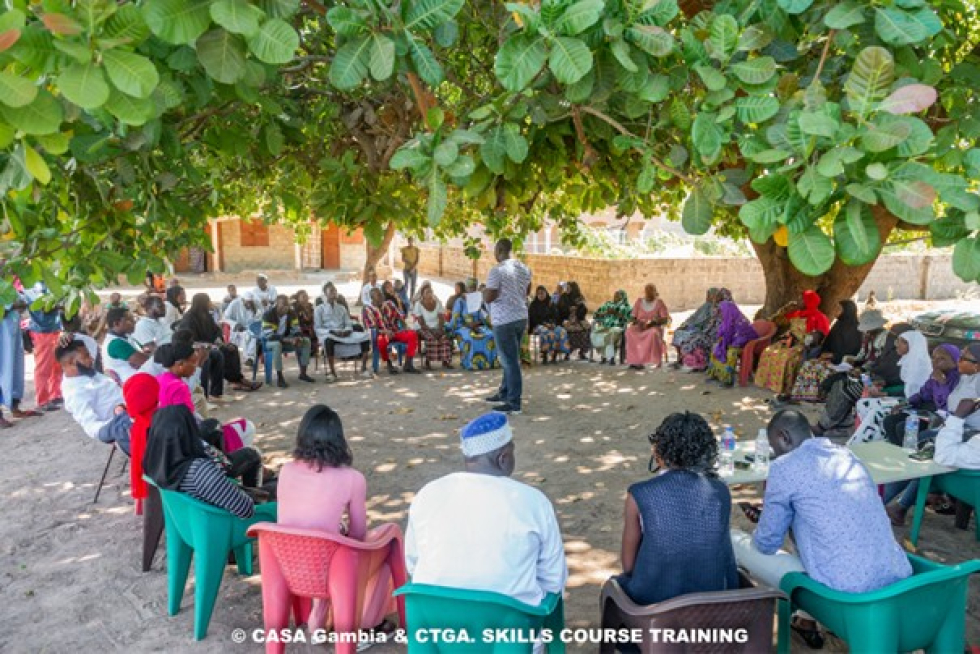
1. Delivery of the Mobilising Support Skill Course (July 2024)
2. Development of Mobilising Support plans by participating organisations
3. Selection of Rumba Village as a case study
4. Coaching, stakeholder engagement, and plan refinement
Advanced Skill Course and field visit (December 2024)
Description of implementation
1. Community consultations and needs assessment
2. Finalisation of water extension project plan
3. Fund mobilisation (CASA Gambia, Mama Africa Foundation, community contributions)
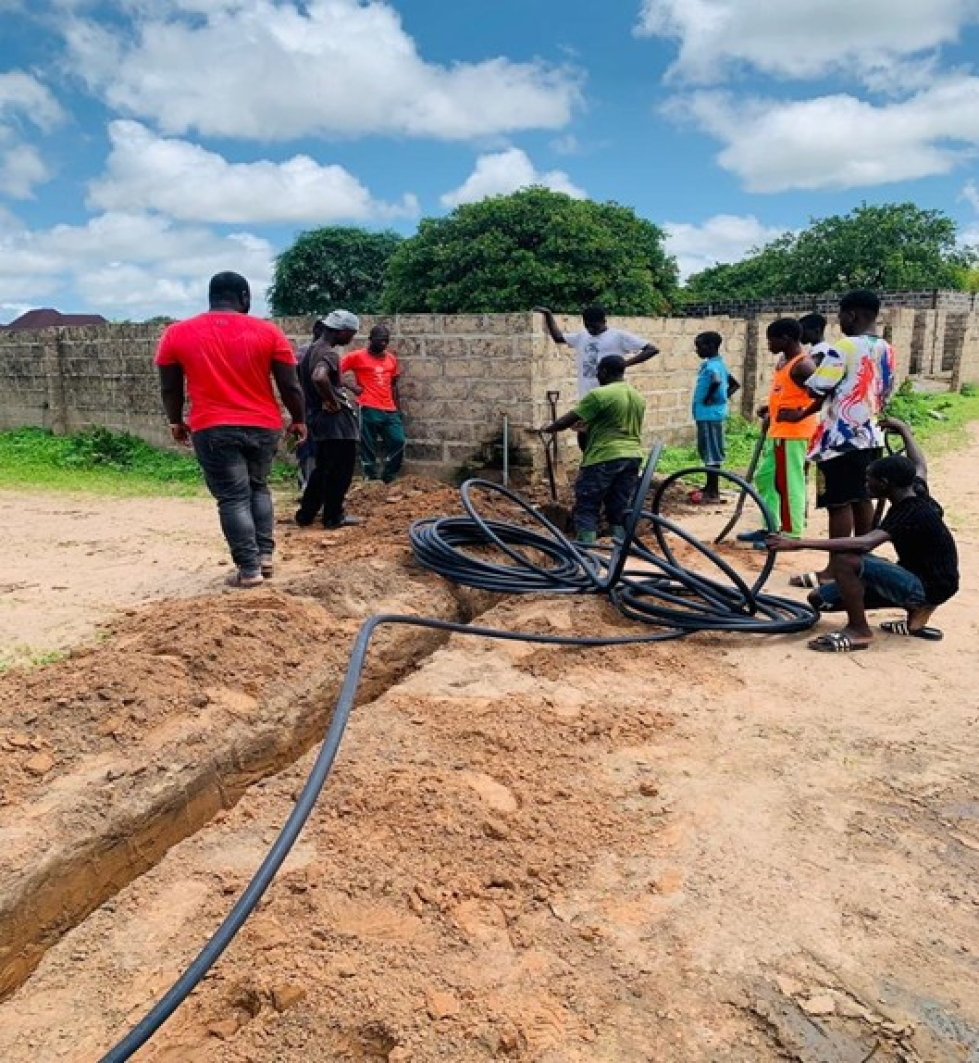
4. Construction and extension of water infrastructure
Description of time investment
- Staff (CASA Gambia & partner organisations): Approx. 25–30 working days (training facilitation, coaching, coordination, monitoring)
- Volunteers / community members: Ongoing engagement over approximately 12 months (community meetings, mobilisation, implementation support)
- Board involvement: Strategic oversight and approval (estimated 3–5 days)
Costs
A detailed budget was developed in collaboration with key stakeholders to cover materials, labour, monitoring activities, and the project handover. The Rumba Village Development Committee (VDC) raised a significant portion of the required resources through financial (36%) and in-kind contributions, demonstrating strong community ownership and commitment. Additional support from CASA Gambia and partners was mobilised to bridge the remaining funding gap and ensure full implementation. Transparent financial management and regular reporting were applied throughout the project to ensure accountability and efficient use of resources. The total project cost amounted to 131,943 GMD.
Follow up
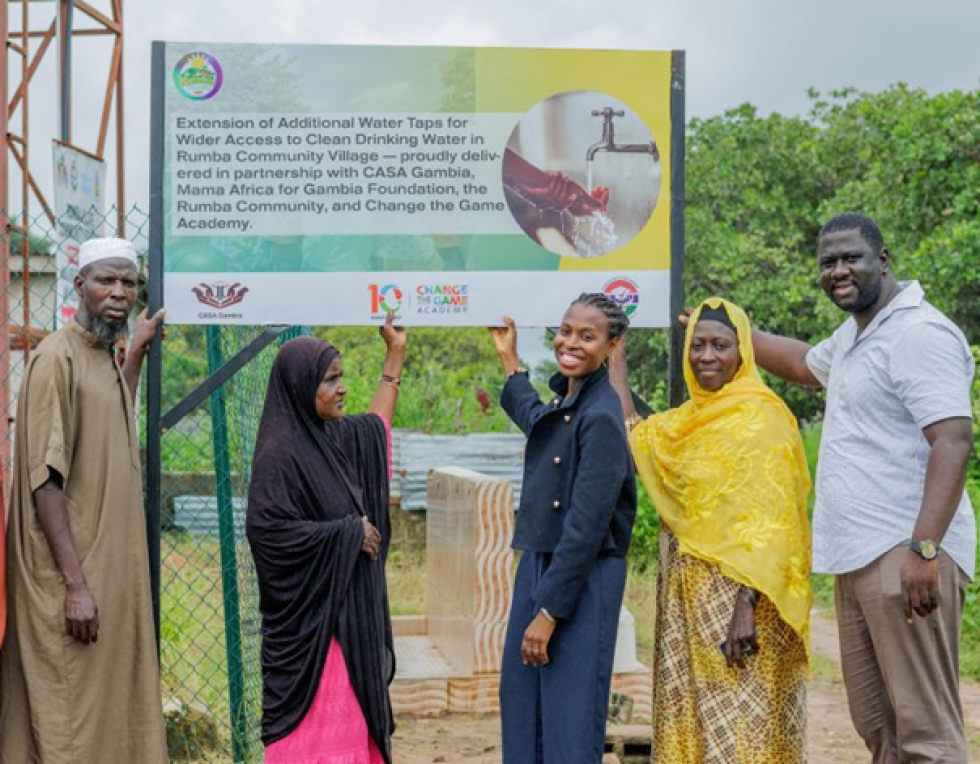
The project was officially handed over on 10 September 2025. Follow-up includes continued community management through the VDC, monitoring of water usage, and ongoing engagement by partner organisations to ensure sustainability.