


Fundraising with corporations
Sales of products
Rural and Urban
0
0
| Organisation | Dalia Association |
| Type | NGO |
| Suitability | Slightly experienced |
| Country | Palestine |
| Funding needed for | Supporting women producers, farmers, and local small businesses by improving market access and creating more sustainable income opportunities |
| Period of action | Ongoing |
| In-kind donations raised | Yes |
| Types of donations | Sales-based support, direct financial contributions, in-kind support, and product purchases |
| Types of donors | Banks, telecommunications companies, private-sector institutions, employees, and corporate partners |
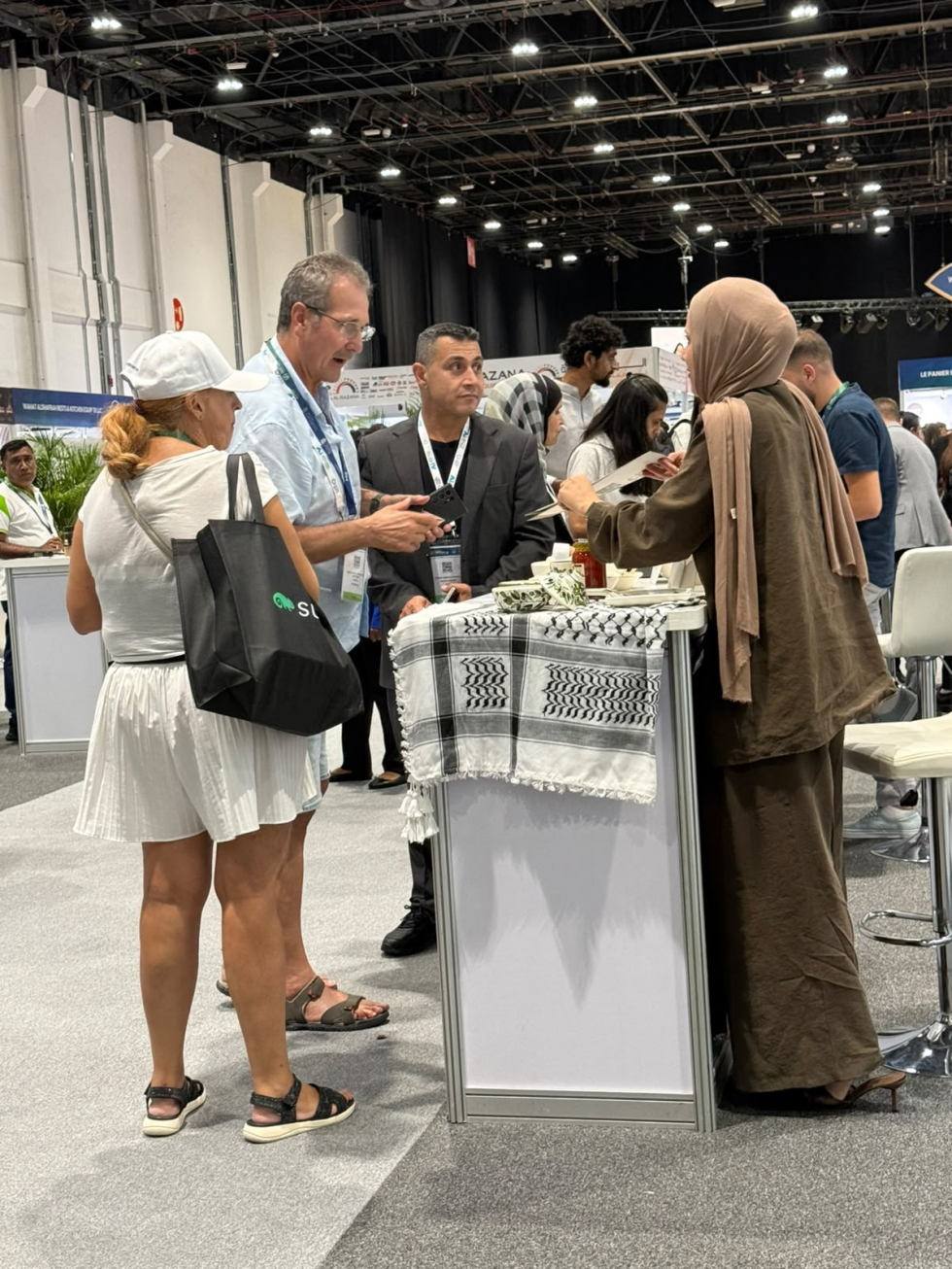
Many Palestinian women producers, farmers, and small local businesses participate in seasonal markets and bazaars to sell their products. While these markets are important for visibility, participation is not always financially worthwhile. Stall fees can be high, sales are uncertain, and some producers may leave with limited profit or even a loss.
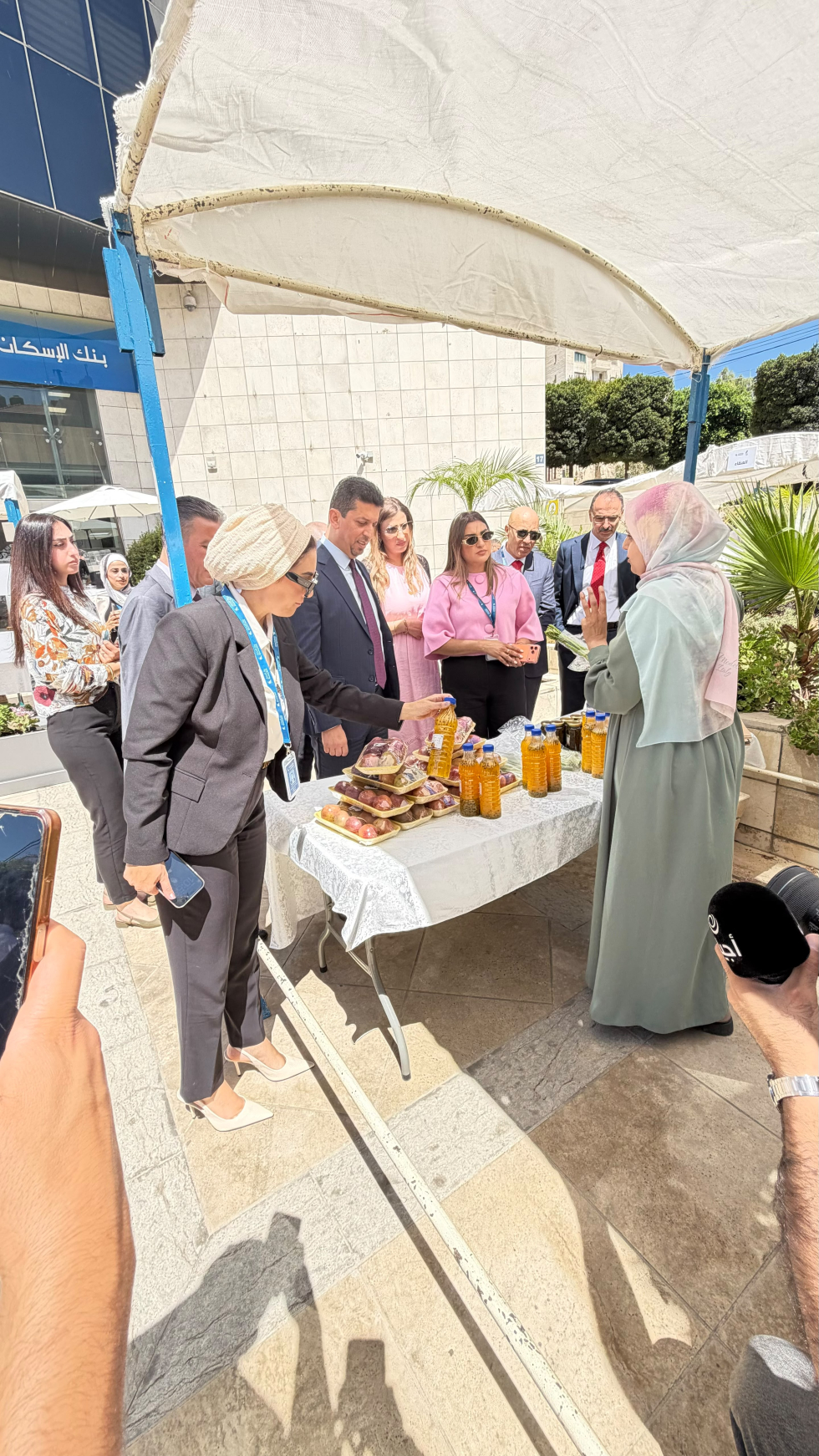
Dalia Association therefore developed a different model: organising farmers’ and women producers’ markets inside private-sector institutions, including banks, telecommunications companies, and other large organisations.
The hosting institutions provide space for the market, promote it internally, and encourage their employees to purchase directly from local producers. This creates a new customer base for women and farmers, especially those living in rural areas or working from home.
To date, Dalia has organised five markets in banks, telecommunications companies, and other institutions, benefiting more than 36 women producers.
Each participating woman generated at least$ 300 in sales during the market. In addition, some institutions provided direct financial contributions of around USD 200 per woman, while others purchased all or large quantities of the products on display.
The impact continued beyond the market day. Some companies later returned to participating women with new orders for customised products and corporate gifts, including handmade products produced for awareness campaigns such as Breast Cancer Awareness Month.
As a result, the markets have developed from one-day sales events into a model for longer-term cooperation between the private sector and Palestinian women producers.